
Thinking about adding a sunroom to your home? A three-season or four-season room can give you more space to relax, entertain, or soak in the outdoors without dealing with bugs, wind, or unpredictable weather.
But the two options aren’t interchangeable. A 3 season room vs 4 season room comes down to how much you want to use the space, how comfortable you want it to be, and how much you’re willing to spend.
At Pinnacle Remodeling, we help homeowners in South Central, PA, design and build home additions that fit their lifestyle and budget. Whether you want a space for mild weather or a year-round retreat, we’ll walk you through your options. Let’s break it down.
What’s a 3 Season Room?
A three-season room is an enclosed space designed for spring, summer, and fall. It brings in plenty of natural light and fresh air while keeping out the elements, but it’s not fully insulated. That means it can get too hot in peak summer and too cold in the winter, making it less practical during extreme temperatures.
These rooms are typically built with large windows or screens, allowing you to enjoy the outdoors without being fully exposed. Some homeowners add ceiling fans or space heaters to extend their use.
But a three-season room isn’t connected to the home’s heating and cooling system, so it won’t hold temperature the way an insulated space does.
What’s a 4 Season Room?
A four-season room is built like a true extension of your home. It’s insulated, uses energy-efficient windows, and connects to your home’s HVAC system, so it stays comfortable year-round.
Whether it’s the middle of winter or the peak of summer, a four-season room gives you a climate-controlled space with outdoor views and plenty of natural light.
The materials are higher quality than those used in a three-season room. The glass is insulated to prevent heat loss in the winter and overheating in the summer. The walls, floors, and ceilings have proper insulation, and the room is fully sealed to keep drafts out.
3 Season Room vs 4 Season Room: What’s the Difference?
The biggest difference between a 3 season room vs 4 season room is when you can use it. A three-season room works for most of the year but isn’t designed for extreme temperatures. A four-season room gives you full-year comfort, functioning like any other room in your home. But that’s not the only factor to consider.
Temperature Control
A three-season room is comfortable in mild weather but can get too hot or too cold, depending on the time of year. You can add portable heaters or fans, but it won’t maintain a consistent temperature.
A four-season room, on the other hand, is fully insulated and climate-controlled. It connects to your home’s heating and cooling system, so it stays at a comfortable temperature no matter what’s happening outside.
Insulation and Windows
Three-season rooms have walls that might have minimal or no insulation. This provides protection from wind and rain but doesn’t do much to regulate temperature.
Four-season rooms use double- or triple-pane insulated glass, helping to maintain indoor temperature. The walls, ceiling, and floors are insulated to prevent heat loss in the winter and excessive heat gain in the summer.
Home Integration
A three-season room is usually built as an enclosed porch or patio space. It may have an entry door from your home, but it’s not always fully integrated. Some designs even have a separate entrance.
A four-season room is a direct extension of your home, blending seamlessly with the rest of the space. It’s designed to match the home’s architecture, making it feel like part of the original structure.
Cost and Construction Time
A three-season room is more budget-friendly because it uses fewer materials and requires less structural work. It also takes less time to build.
A four-season room requires insulation, HVAC integration, and higher-end materials, which increases the cost. The construction time is longer because of the added scope, but the result is a fully functional living space.
Use and Functionality
Both rooms give you an extra space to relax, entertain, or enjoy outdoor views without stepping outside. But a three-season room is more limited in how you can use it.
A four-season room can be a dining area, home office, workout space, or even an extra living room. Because it’s temperature-controlled, it’s just as comfortable in January as it is in June.
Four Season Room Benefits
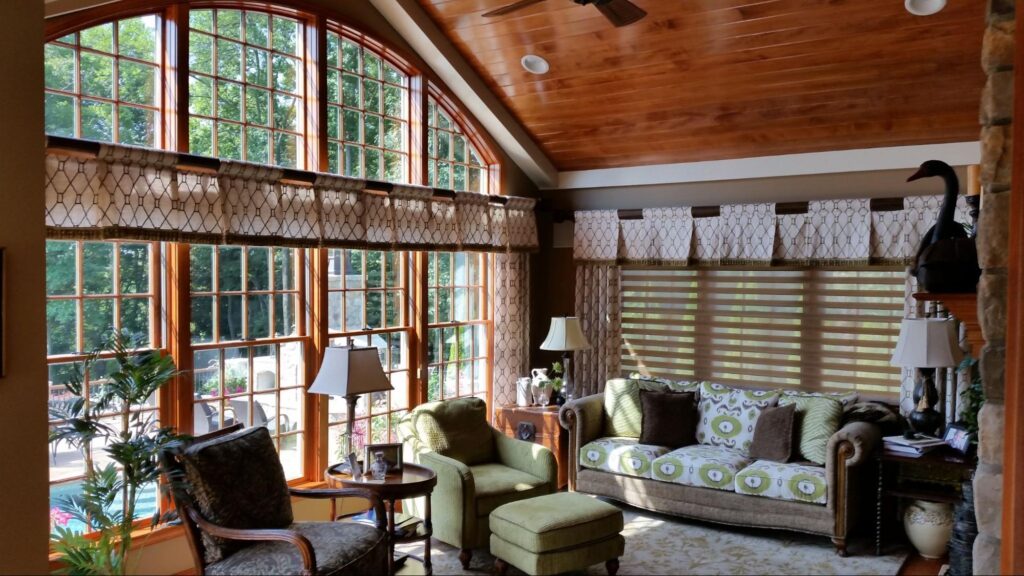
A four-season room is more than a sunroom, serving as an extension of your home that works year-round. Some of the biggest benefits include:
- Comfortable in all seasons, no matter the weather
- Better insulation and energy efficiency
- More flexibility for daily activities
- Adds valuable square footage to your home
- Higher return on investment over time
If you want a space that feels like a natural part of your home, a four-season room delivers long-term comfort and value.
Which One Is Right for You?
If you’re stuck between a 3 season room vs 4 season room, ask yourself these questions:
How often do you want to use the space?
If you only need it for mild weather, a three-season room might be enough. If you want a space that works year-round, go for a four-season room.
What’s your budget?
A three-season room is more affordable, but a four-season room adds more value in the long run.
How will you use the space?
If it’s for occasional lounging, a three-season room could work. If it’s for daily activities like working from home or entertaining guests, a four-season room is the better choice.
Do you need full insulation and climate control?
If staying warm in the winter and cool in the summer is important, a four-season room is the way to go.
Let’s Build the Right Space for You
At Pinnacle Remodeling, we help homeowners create functional, beautiful spaces that fit their lifestyle. Whether you want a breezy three-season retreat or a fully insulated four-season addition, we handle everything from design to construction.
We take the time to understand your needs, preferences, and budget, ensuring your new space is exactly what you envisioned. Our team walks you through the entire process, from the initial consultation to the final build, making it as seamless as possible.
If you’re ready to upgrade your home with a new sunroom, let’s talk. Contact us today to get started.